Site Information: Susanna’s habitat is located in Lake Oswego on a slope and is mostly shady.
What inspired you to enroll in the Backyard Habitat Certification Program?
To help set an example and encourage others to practice sustainable gardening.
How would you describe your habitat?
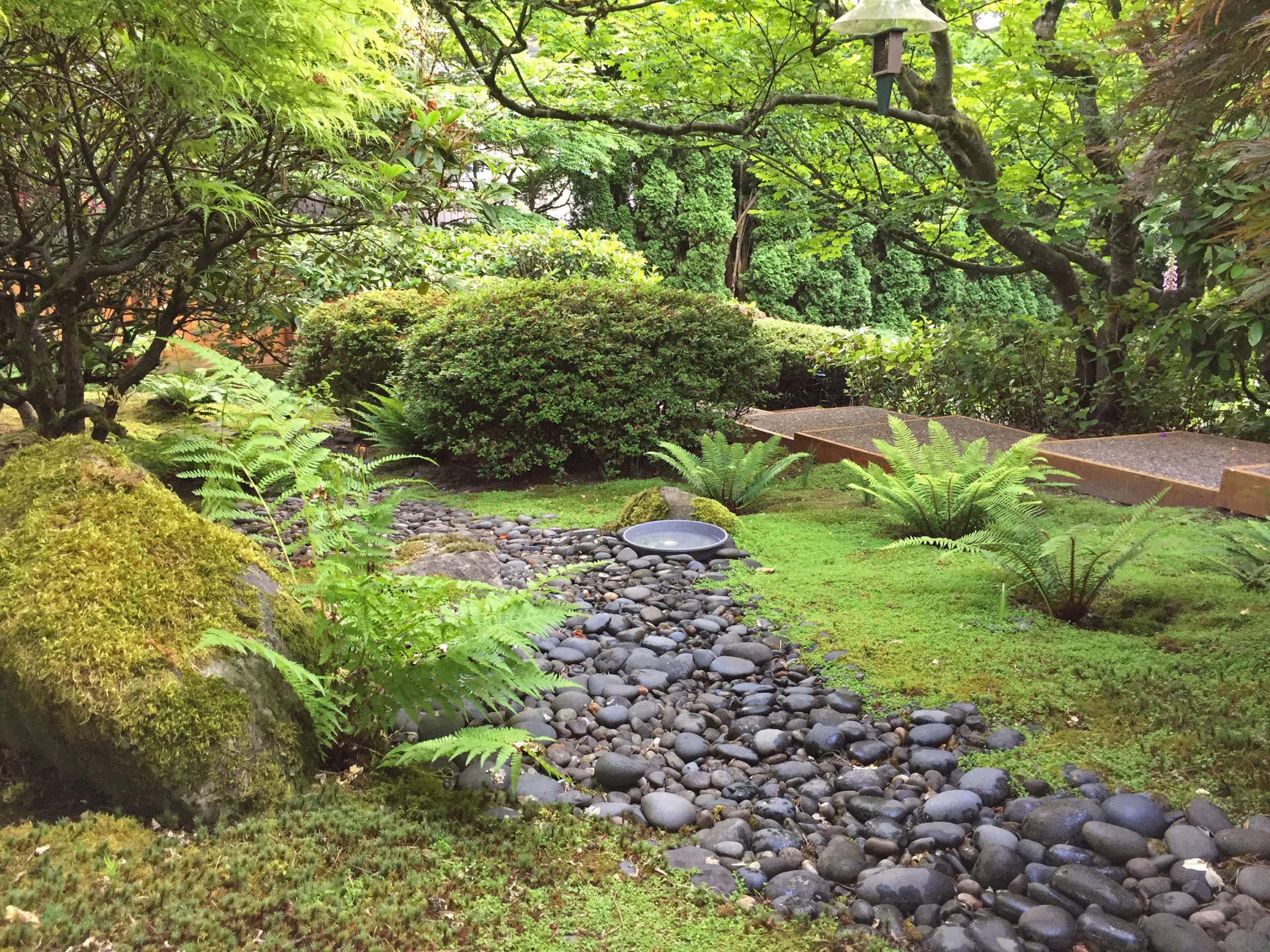
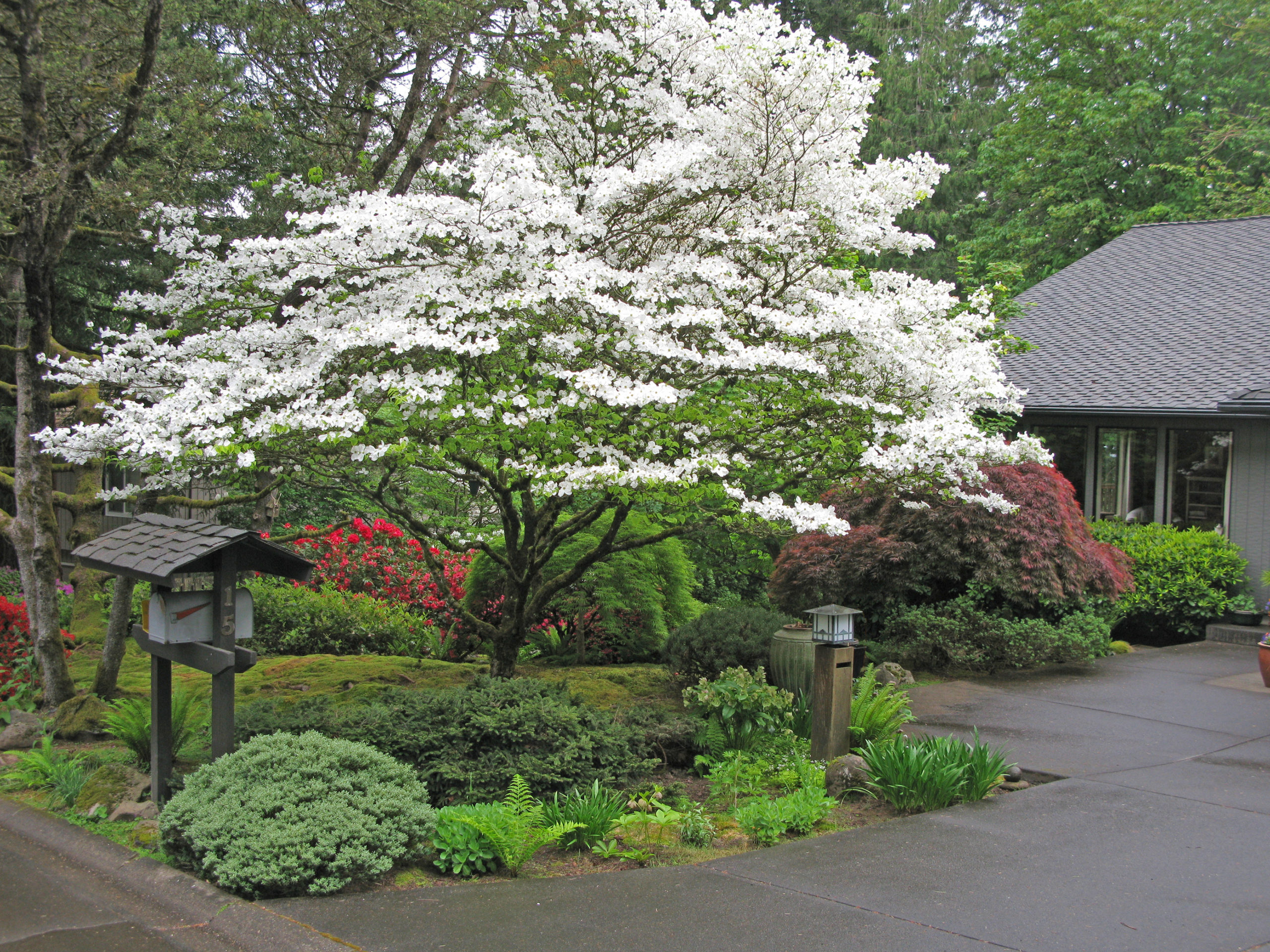
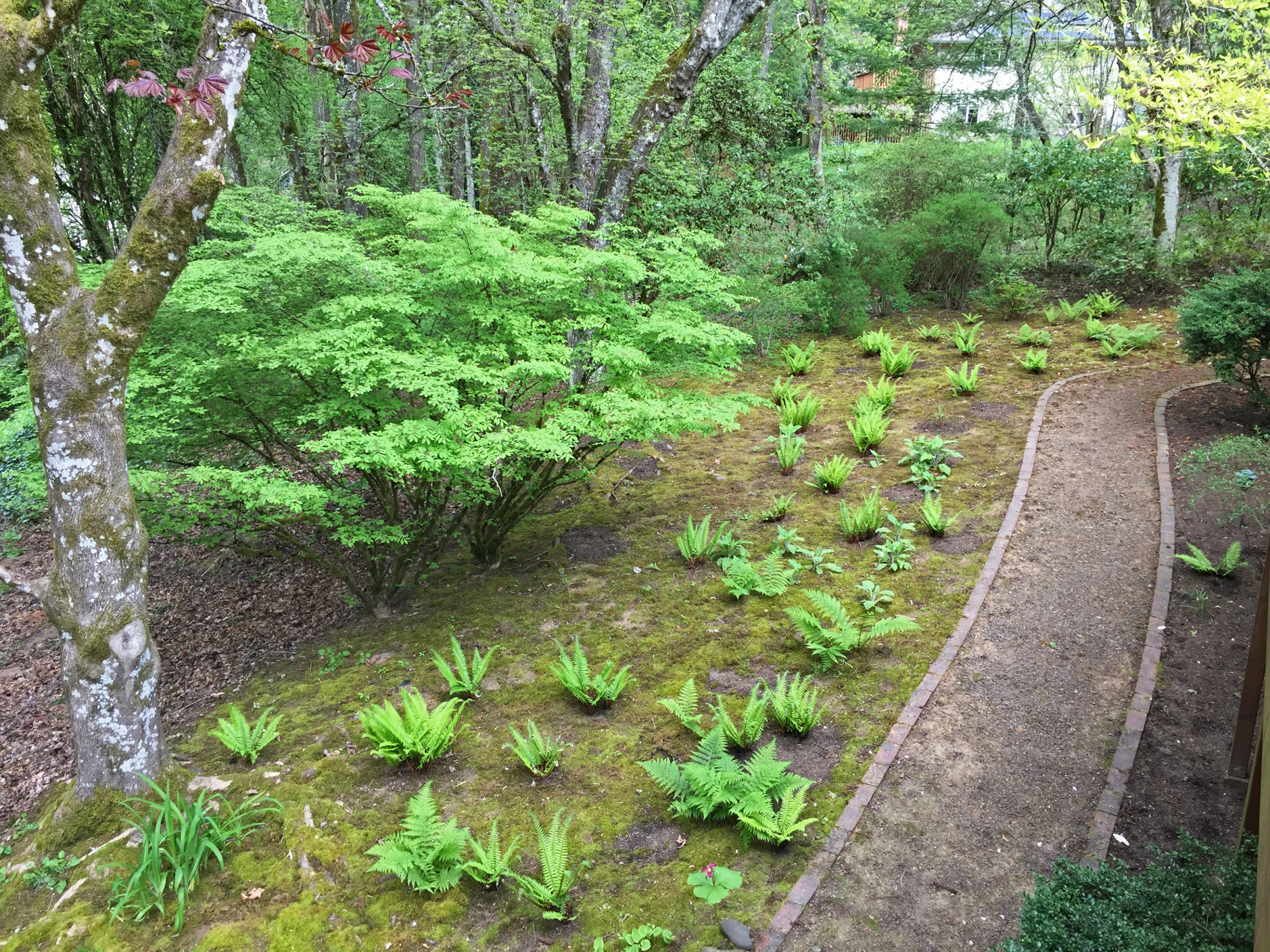
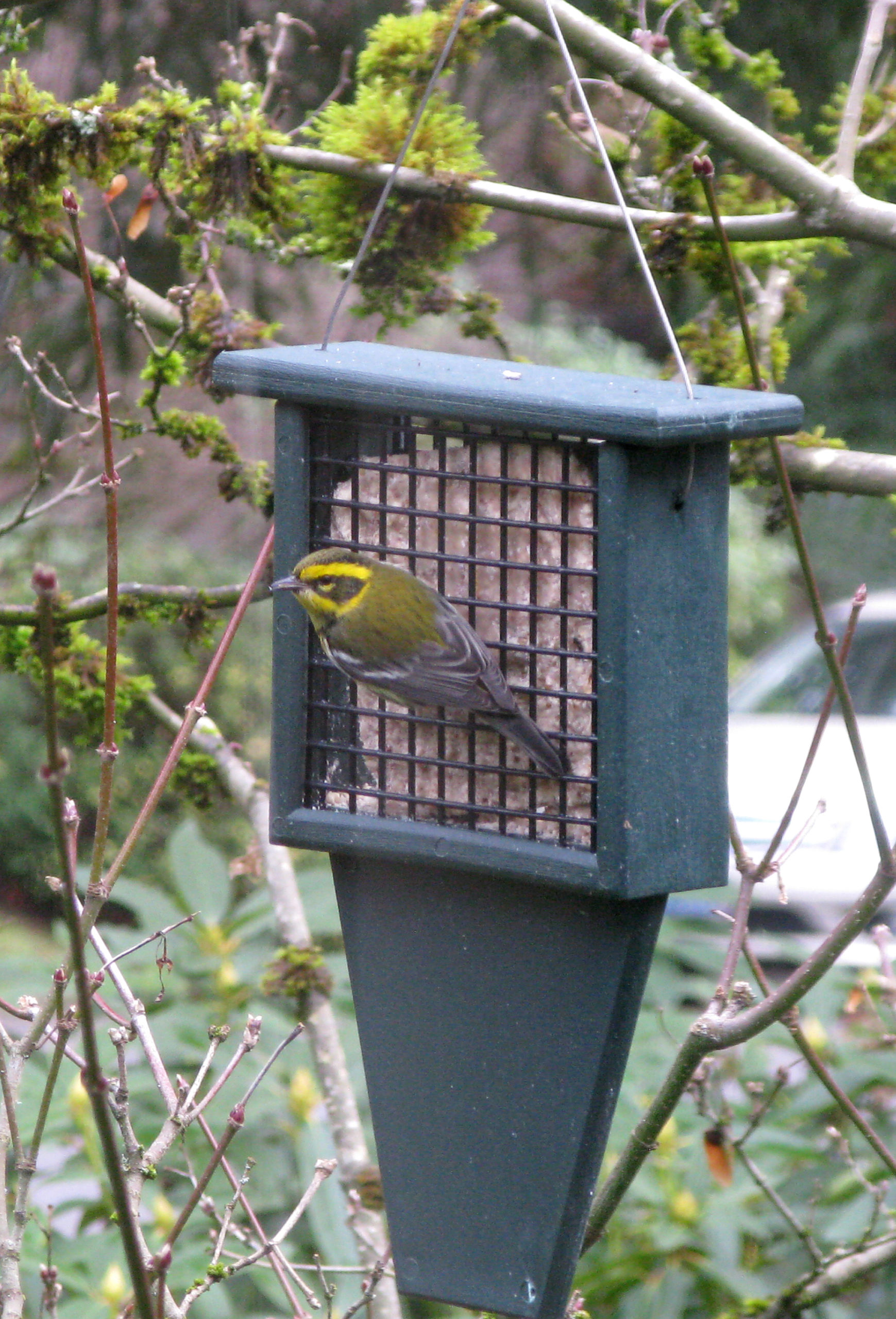
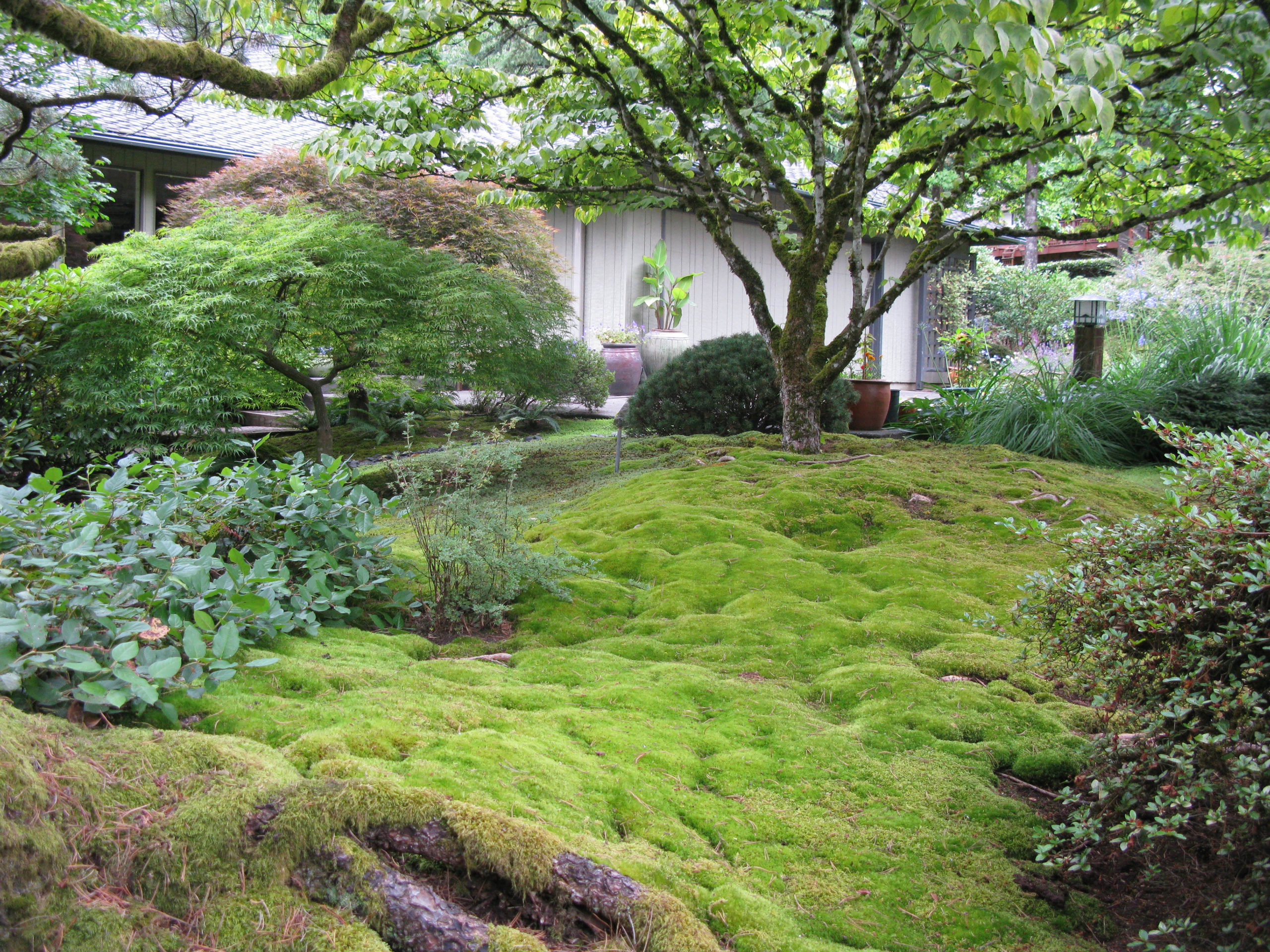
Our property is on a slope. It is mostly shady and bordered on two sides by a forested natural area. When we moved here 31 years ago, the ground cover was lawn and bark dust. We replaced 90 percent of this with moss and have encouraged the growth of native plants. We prune to maintain five distinct canopy layers. Ground feeding birds love the low shrubs where they nest or forage in the leaf litter. We have bird feeders and water on two sides of the house. One caters to ground feeding birds (towhees, juncos, sparrows). The other suits birds that like trees (jays, flickers, crows, chickadees, nuthatches ). Hummingbird feeders are in both locations.
What are your top three favorite native plants and why do you love them?
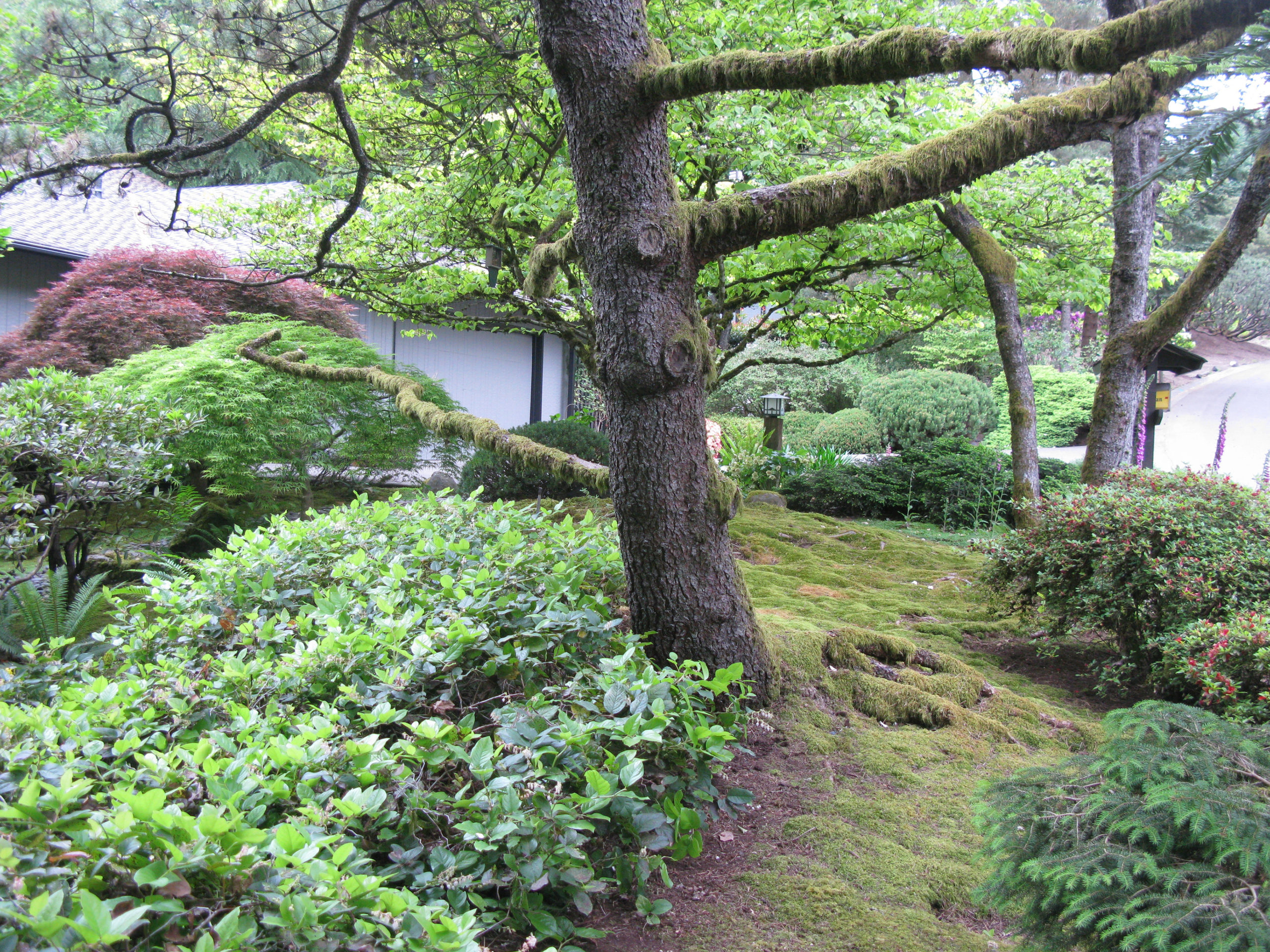
Mosses, maidenhair ferns, and Sitka spruce (Oregon native) because they remind me of Oregon forests.
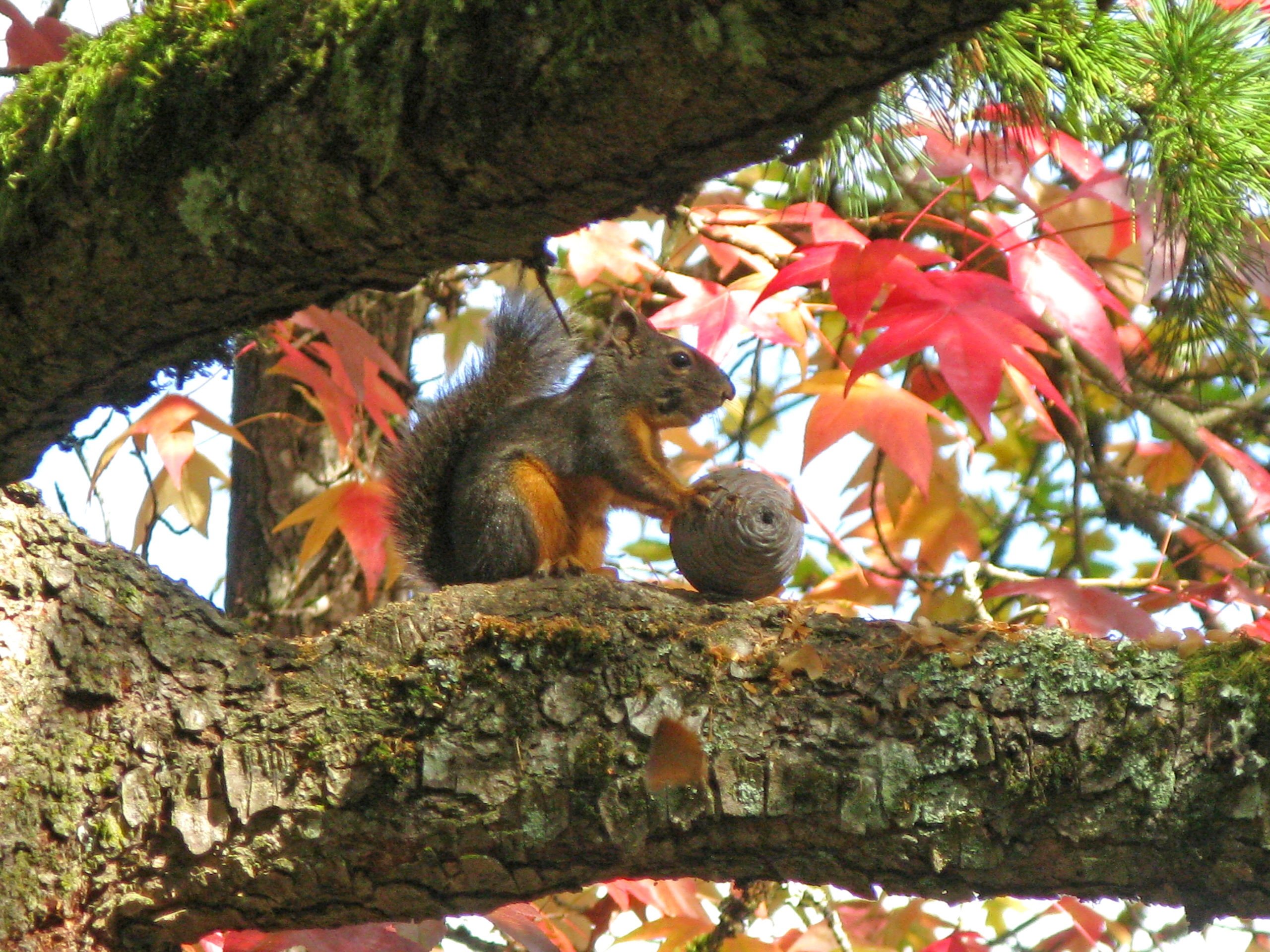
What changes have you observed as a result of creating habitat?
After we encouraged moss to replace the lawn and bark dust, we were surprised by how many native plants voluntarily appeared in the garden: blue-eyed grass, Indian-pipes, Howell’s violets, stream violets, common rushes, trillium, fireweed, sword ferns, licorice ferns, deer ferns, lady ferns, mosses, lichens and fungi.
What were the two most significant challenges you encountered while creating habitat, and how did you address them?
- Deep shade makes it difficult to grow sun-loving plants and vegetables.
- Ground under the trees can get very dry in summer.
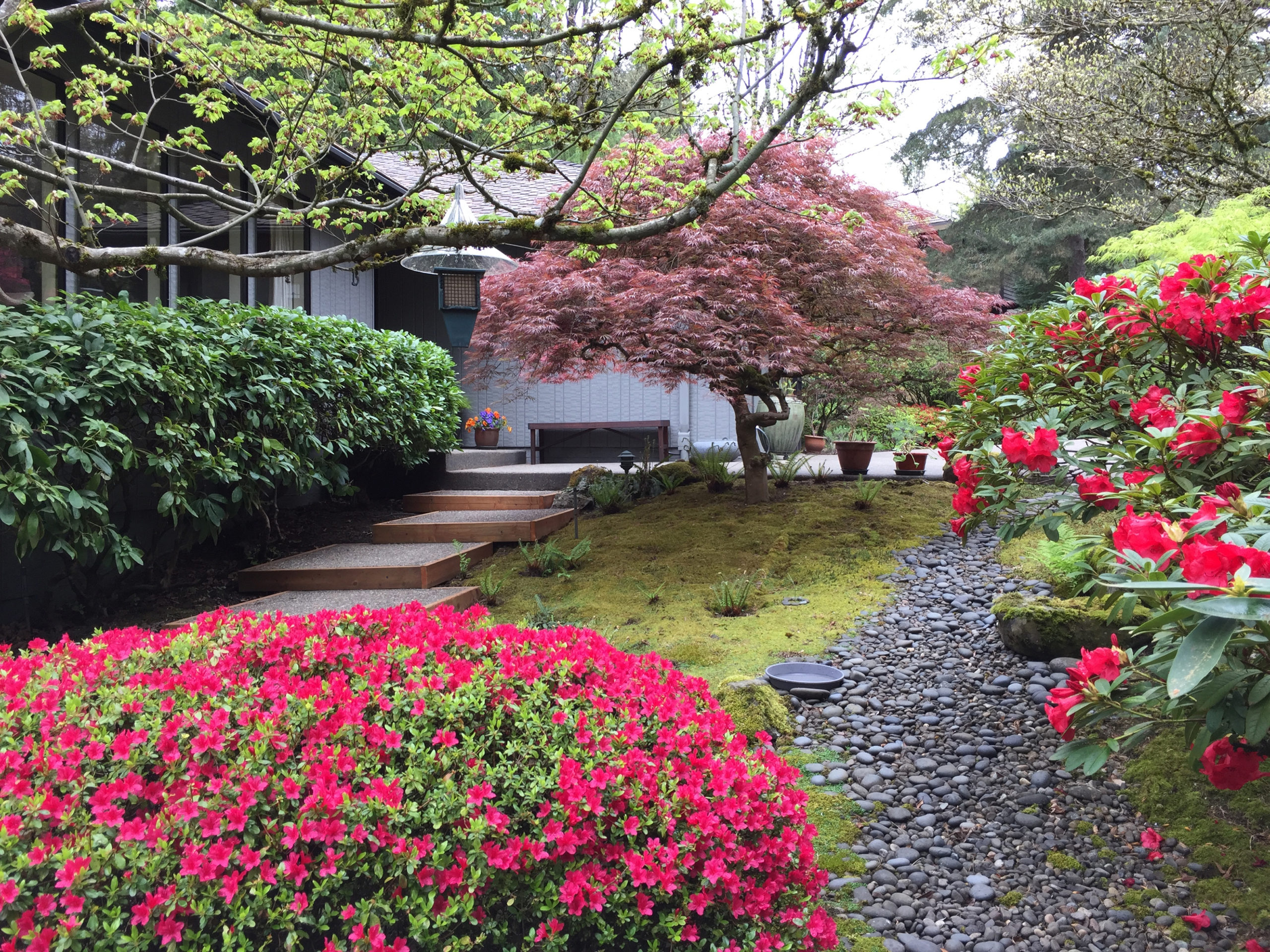
How do you enjoy your Backyard Habitat throughout the different seasons? What are its highlights in each season?
- SPRING: Nesting birds, new leaves and flowers
- SUMMER: Flowering plants humming with pollinators
- FALL: Colorful leaves and migrating birds.
- WINTER: Wildlife footprints in snow
What part of your backyard habitat are you most proud of?
The moss garden.
Is there anything else you’d like to add about your journey?
We have learned to let our garden to tell us what will grow here.